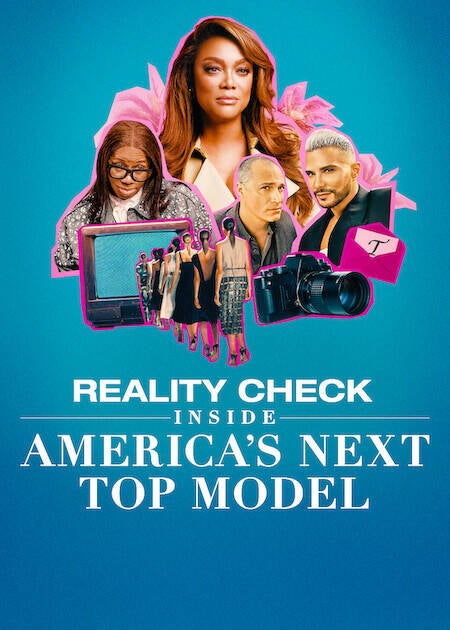
The fashion world just got a long-overdue reality check.
Netflix dropped a three-part documentary unpacking one of the most influential — and controversial — reality TV shows ever created: America's Next Top Model.
The doc, led by interviews with creator and supermodel Tyra Banks and former judges like Jay Manuel, J. Alexander, and Nigel Barker, pulls back the curtain on a franchise that dominated pop culture for over a decade.
But this documentary isn’t just nostalgia — it’s a cultural autopsy.
The Rise: How Top Model Took Over Pop Culture
When America’s Next Top Model premiered in 2003, it wasn’t just another reality show — it was a cultural moment.
At its peak:
- The franchise ran 24 seasons (cycles).
- It reached over 100 million viewers globally.
- It created international spin-offs across dozens of countries.
The formula was simple but addictive:
Young aspiring models lived together, competed in weekly challenges, and faced elimination until one winner secured major modeling contracts and magazine spreads.
But what made the show different was Tyra Banks’ mission:
To break the gatekeeping of the fashion industry and give everyday women a shot at becoming supermodels.
For many viewers — especially young Black girls — seeing a Black woman running a major TV franchise was powerful.
Tyra wasn’t just hosting.
She was executive producing, mentoring, judging, and building a fashion empire in real time.
The Cultural Impact: Why the Show Mattered
Long before social media influencers and TikTok beauty culture, Top Model shaped how millions understood:
• Fashion
• Modeling
• Beauty standards
• Media fame
The show introduced viewers to industry concepts like:
- Runway training
- Editorial shoots
- Branding yourself as a model
- Fashion marketing
And it produced memorable winners and stars like:
• Dani Evans
• Eva Marcille
• Yaya DaCosta
For many contestants, the show became a launchpad into acting, modeling, and entrepreneurship.
The Reckoning: The Dark Side of Reality TV
Where the documentary gets heavy is the behind-the-scenes reality.
Over the years, viral clips resurfaced showing moments that today’s audiences see very differently.
The documentary addresses controversies such as:
1️⃣ Unrealistic Beauty Standards
Contestants were often pressured to change their appearance dramatically.
Examples included:
- extreme makeovers
- shaving heads
- weight critiques
Critics say the show sometimes crossed the line from coaching into humiliation.
2️⃣ Problematic Photo Shoots
Some challenges are now widely criticized, including:
• racial identity themed shoots
• controversial cultural costumes
• emotionally intense scenarios
These moments are being re-examined through a modern lens of representation and sensitivity.
3️⃣ Mental Health & Reality TV Pressure
Former contestants describe:
• intense filming schedules
• isolation from family
• emotional manipulation for dramatic TV
These issues are now part of a larger conversation about how reality television exploits participants for ratings.
Tyra Banks Responds
One of the most important elements of the documentary is hearing directly from Tyra Banks herself.
She acknowledges that:
Some things went too far.
Banks explains that the early 2000s TV environment rewarded shock value and dramatic storytelling.
Reality television then operated very differently than it does today.
But she also defends the show’s core purpose:
• empowering women
• creating modeling opportunities
• disrupting a closed fashion industry.
The Legacy of Top Model
Even critics agree on one thing:
America’s Next Top Model changed television.
It helped create the blueprint for modern competition reality shows, influencing programs like:
- RuPaul’s Drag Race
- Project Runway
- Love Island
It also predicted the era of influencer branding, where personality and storytelling matter as much as talent.
In many ways, the contestants of Top Model were the first reality TV influencers.
The Real Question the Documentary Asks
The core question the series leaves viewers with is simple:
Was Top Model empowering…
or exploitative?
The truth is probably both.
The show opened doors for women who would have never entered the fashion industry.
But it also exposed how reality TV can blur the line between mentorship and entertainment.
Final Take
Reality Check: Inside America’s Next Top Model isn’t just a documentary about a TV show.
It’s about:
• fame
• power
• beauty standards
• the evolution of media culture
And it forces audiences to reconsider a franchise that shaped a generation.
The show that once taught young women how to “smize” is now teaching us something else:
How culture evolves — and how accountability eventually catches up to influence.
written by Dr.Ranessa Harding
Add comment
Comments